Plenary speakers
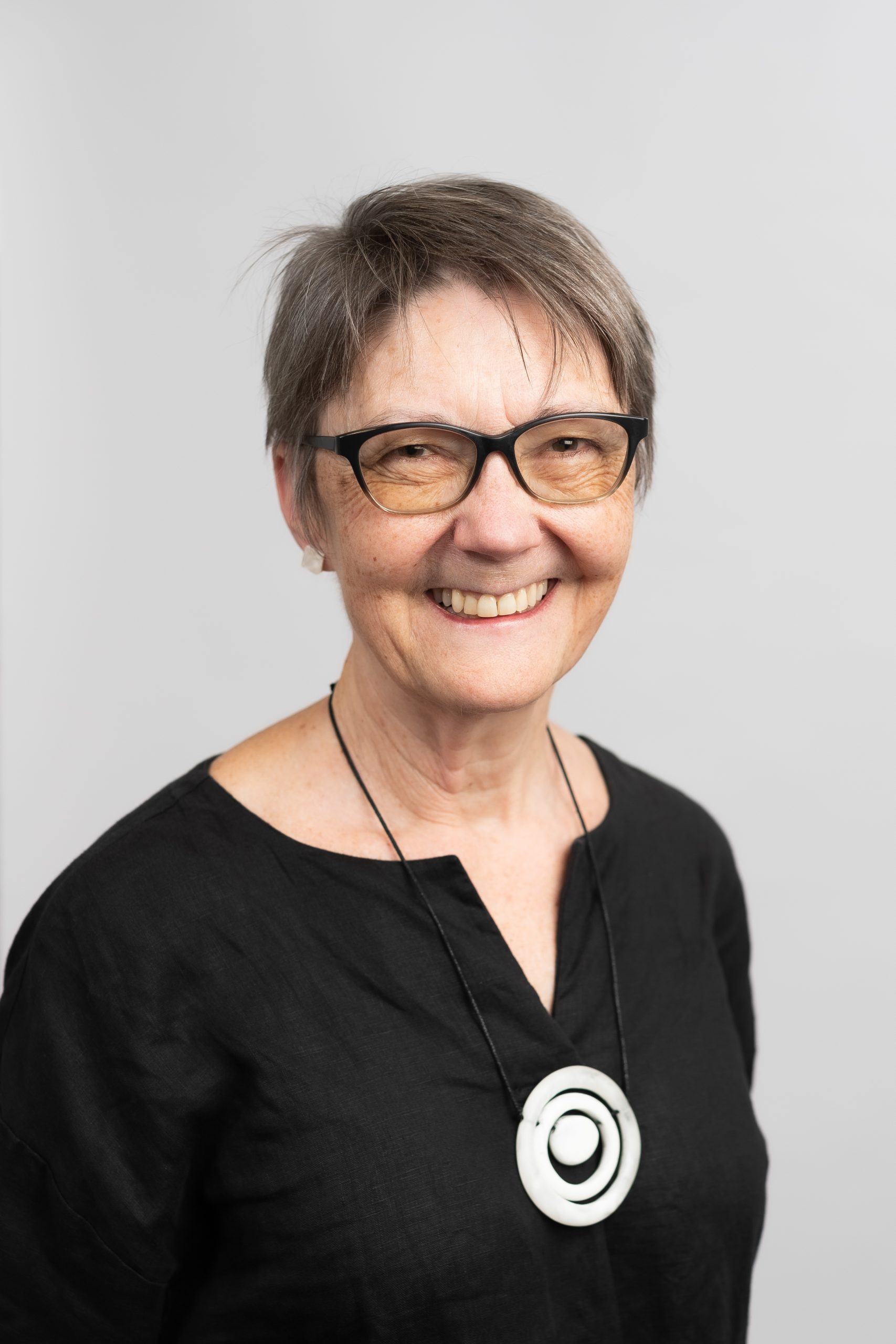
Alyson Simpson was once a teacher librarian and now is a Professor of Education specialising in English and Literacy Education working with pre-service teachers in Undergraduate and Graduate-entry programs at the University of Sydney. Alyson has served as a consultant to state, national and international education groups and collaborated in research projects with academics from around the world. Through her long-running study titled Teaching about Reading: Dialogic Interactions in Schools [TARDIS] she has provided theory rich practical advice to not-for-profit, peak professional associations, teachers and pre-service teachers supporting improvements in children’s literacy through creative teaching of reading with children’s literature.
Thinking about literature as dimensionally transcendental texts? Teaching about reading dialogic interactions
Literature has the power to build knowledge and empathy for others. It can create sliding door moments where readers, who fill the gaps left by accomplished authors, experience imagined alternate realities that can foster interpersonal awareness and tolerance in their ‘real worlds’. But not all children have access to this kind of literary life. They have not learned to travel in time and space through books that help them perceive other ways of being. Some can read but don’t. These children need the support of literature enriched literacy programs which build engagement with reading through dialogic learning so that they can read and they do read in a social environment that encourages shared understanding.
In this keynote I will commence with some poetry to locate literature at the heart of our explorations together. I will then describe my collaborative work over many years with primary school students and pre-service teachers in which I have helped to build reading cultures. I have designed pedagogies that on first glance seem simple, but paradoxically they are bigger on the inside. It is no accident that the acronym for my long term study called teaching about reading dialogic interactions is TARDIS. I will use analysis of this research on literature-based literate practices to expand the horizon to consider how we might as educators promote inclusive, equitable, and lifelong learning opportunities.
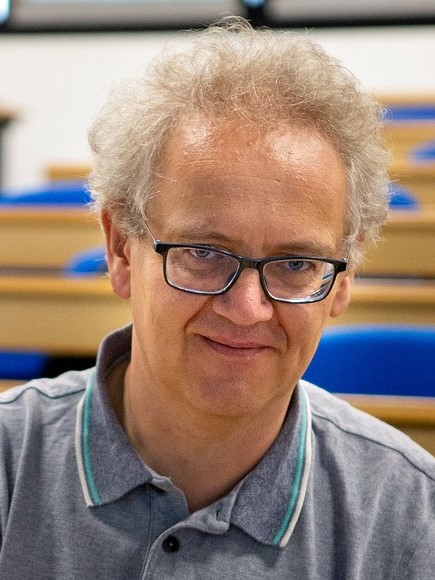
Marko Robnik-Šikonja is a Professor of Computer Science and Informatics at the University of Ljubljana, Faculty of Computer and Information Science, and head of Machine Learning and Language Technology Lab. His research interests span machine learning, data mining, natural language processing, and explainable artificial intelligence. He is the (co)author of many well-cited scientific publications and recipient of several rewards for his work. He has contributed to several national and EU projects and authored several data mining software packages and language resources.
Text readability improvement with large language models
Currently, large language models (LLMs) are revolutionizing work across many areas related to reading and writing. By digesting and analysing large amounts of data, LLMs can provide insights into complex phenomena and questions, including text readability. We will explain the workings of LLMs, which are necessary for understanding their performance and for using them better. We will present our LLM adaptations for text simplification, which can reduce cognitive load during reading and make complex text more accessible to people with limited language proficiency.
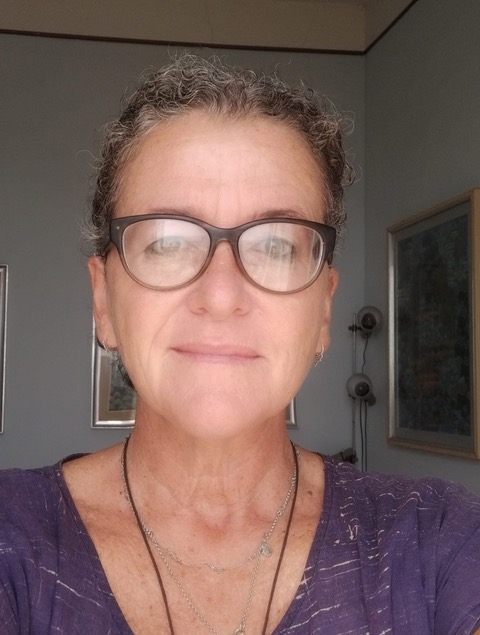
Deborah Soria has been a children’s bookseller since 1999, specialising in children’s literature and illustrated books. In addition to managing her bookshop in Rome, she has also been running a travelling bookshop set up in a van. Deborah firmly believes that books play an essential role in the education of new generations and that the power of stories remains a fundamental pillar for the growth of communities. Since 2012 she has collaborated with IBBY, coordinating the Silent Books – Final Destination Lampedusa project, and since 2017 she has been responsible for the IBBY Lampedusa library on the island itself. She also manages the IBBY Camps, volunteer initiatives dedicated to promoting reading on the Mediterranean border.
A library of silent books in the middle of the Mediterranean Sea and other stories that cross borders
In these complex and technologically driven times, the island of Lampedusa hosts a unique library created by children’s book advocates and volunteers. Situated at one of Europe’s most fragile and contested borders, this library stands as a powerful symbol of welcome, dialogue, and human connection. Over the years, we have witnessed how books can still transform communities.
After 13 years of dedicated book activism, IBBY camps and many initiatives, the IBBY Lampedusa library has become a source of inspiration for projects around the world. It has helped transform the idea of silent books into a widely recognized and meaningful practice—an inclusive tool for welcoming newcomers and building bridges across cultures, especially in border regions. Through its work, the library shows that stories must cross borders, creating a space where differences are treasures, and where libraries become beacons of freedom of thought and wonder. The initial idea has inspired many additional plans and projects, and in my presentation I’ll focus on our ongoing projects and future plans.